Speaking from the Heart: Postpartum Anxiety: 7 Signs Every New Mom Should Know.
The arrival of a newborn is an amazing, life-changing event – full of fun, love,, and new challenges. While many people are familiar with postpartum depression, postpartum anxiety is another common mental health condition that often goes unnoticed. This knowledge can help new mothers know early on that they have a problem and seek help before it takes over their lives. Learning how to recognize signs of postpartum anxiety, which every new mom should know, is a crucial part of safeguarding maternal and family health.
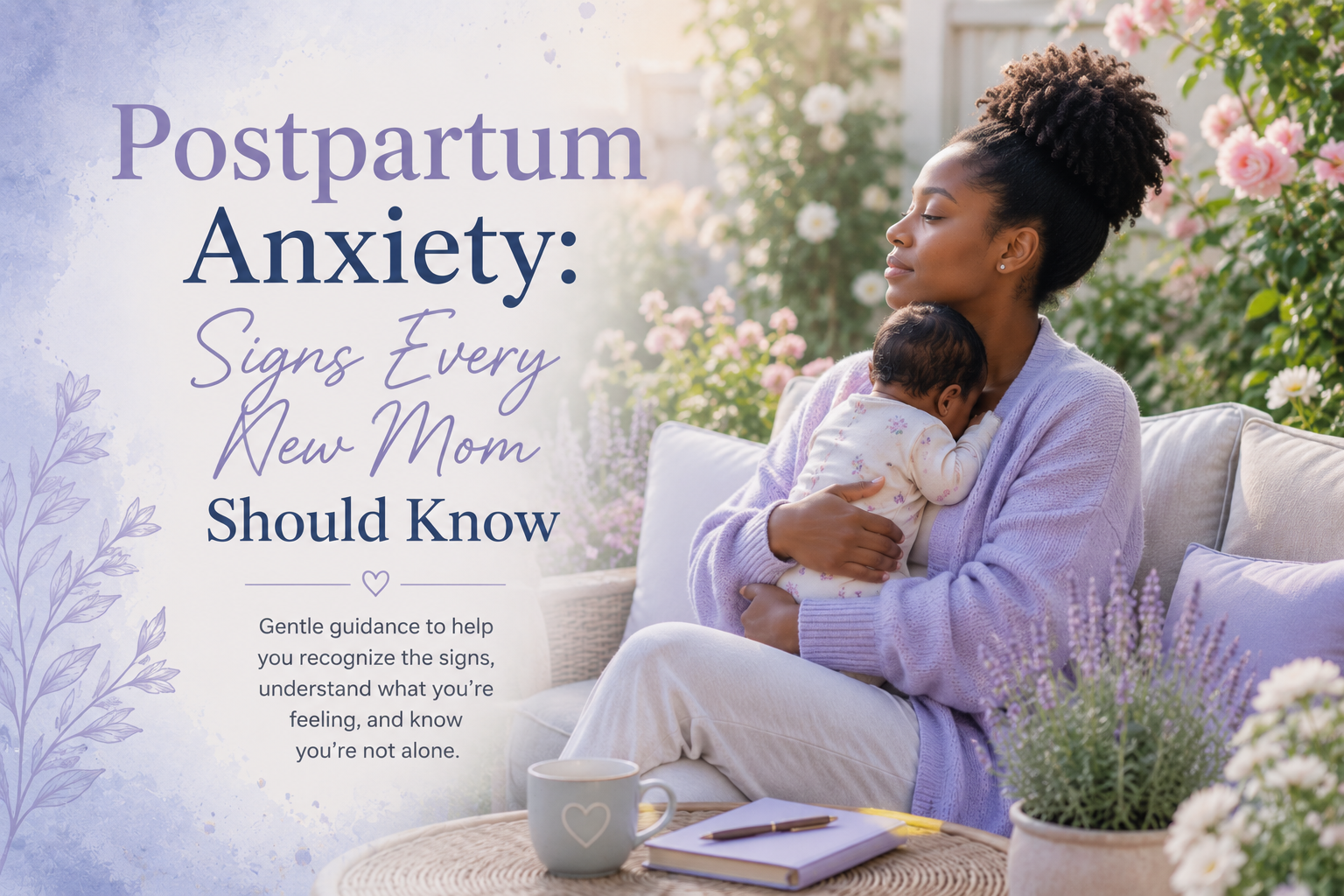
What Is Postpartum Anxiety?
Postpartum anxiety is an anxiety disorder that occurs during the post-birth period or pregnancy. It is ongoing worry, fear, or nervousness that goes beyond the concerns of becoming a parent. Postpartum anxiety is not the same as normal stress – it can affect sleep, relationships, and enjoying time with the baby.
7 Signs of Postpartum Anxiety
1. Constant and Excessive Worry
When you are worried about your baby's health, these worries are heightened by postpartum anxiety, which feels like you can't control them. It is possible to constantly bethinking of what could go wrong when everything is going well.
2. Racing Thoughts
An undeniable flow of concerns keeps many mothers from unwinding. Your thoughts might always be racing around, and you may not even have time to catch your breath.
3. Difficulty Sleeping
Even when your baby is sleeping, anxiety may keep you awake. It may be hard to sleep, get out of bed multiple times, or not be able to fall asleep due to an overactive mind.
4. Physical Symptoms of Anxiety
Anxiety is not a feeling that only impacts your feelings. It may also result in physical effects like rapid heart rate, dizziness, muscle tension, sweating, nausea, or shortness of breath.
5. Feeling Constantly On Edge
You may feel restless, overwhelmed, or unable to relax during the day. Little incidents can
cause big anxiety or panic, and normal activities can become more difficult.
6. Avoiding Certain Situations
Some new mothers start to restrict visitors to their home or go outside or ask others to do the work of the baby because of fear or anxiety. This avoidance can begin to impact relationships over time and daily activities.
7. Trouble Concentrating
It can be hard to think, concentrate, or make basic choices when you're on edge. You might feel mentally fatigued after doing simple things.
When Should You Seek Help?
Anxiety that does not subside after a few weeks, becomes overwhelming, or impairs functioning in individual and/or infant care should be discussed with a licensed counselor or mental health provider. Early intervention can help avoid worsening symptoms and keep you feeling better.
How Therapy Can Help
Therapy offers a safe and supportive space to delve into anxiety patterns, uncover triggers, and develop effective strategies. Postpartum anxiety can be addressed through evidence-based treatment, including Cognitive-Behavioral Therapy (CBT), which can help alleviate anxiety, increase confidence, and aid in emotional recovery.
Final Thoughts:
Being aware of the signs of postpartum anxiety every new mom should know can make a difference in early intervention and recovery. You are not alone, and asking for help is not a weakness; it's a strength. Self-care, with proper support and encouragement, and professional guidance can help manage the stress of the postpartum period and lead tohealthier, more confident mother